
Website Design for Plumbing, HVAC & Solar Companies
A site built to convert visitors into booked jobs, not just look nice.
- Month-to-month plans
- No setup fees
- One client per city, per industry
- Plumbing, HVAC, and solar only
Overview
What Website Design Does for a Plumbing, HVAC, or Solar Business
Your website is often the first real impression a homeowner has of your business. We design for trust and speed, so visitors become booked appointments. A slow, cluttered, or outdated site actively costs you jobs, even if your SEO and ads are driving the right traffic.
A home service website has one job: turn a worried or curious visitor into a phone call or a quote request within seconds. That means the phone number is visible without scrolling, the page loads quickly on a phone, and proof of trust such as licensing, reviews, and real photos appears before the visitor has time to doubt. We design around that job first and appearance second, and we build the site with search in mind from the start, so pages, headings, and structure are ready to rank instead of being retrofitted later.
Our Process
How Does Our Website Design for Plumbing, HVAC & Solar Work?
Our website process has ten steps. We start with discovery and a plan for your pages, then write the messaging and design the layout for phones first. We build the site, tune its speed, and set up search basics, tracking, and forms. We test everything, launch with redirects in place, and keep improving after launch. Pick any step below to see what it covers.
Discovery and Goals
We start by learning your services, cities, customers, and goals. What you want the website to do, such as more emergency calls or more solar quote requests, shapes every decision after this.
This focuses on:
- Services and service areas
- Your best customers and jobs
- Current site problems
- Goals for calls and quotes
What you get: A written brief that guides the whole project.
Plumbing: emergency calls first. HVAC: repair and replacement leads. Solar: qualified quote requests.
Site Structure and Page Plan
We plan the pages your site needs before designing any of them. Each service and each city gets a place, so your site can grow without becoming confusing.
This focuses on:
- Sitemap and page list
- Service and city pages
- Navigation plan
- Search terms per page
What you get: A clear map of every page and its purpose.
Plumbing: pages for drains, water heaters, and sewer work. HVAC: repair, install, and maintenance pages. Solar: cost, financing, and process pages.
Messaging and Content
We write the words that turn visitors into callers: what you do, where, and why to trust you. Clear, plain content beats clever slogans for contractors.
This focuses on:
- Headlines and page copy
- Calls to action
- Trust and proof content
- Answers to common questions
What you get: Copy that speaks to customers in their own words.
Plumbing: urgent, direct wording. HVAC: seasonal and comparison content. Solar: educational, honest explanations.
Mobile-First Design
Most home service visitors arrive on a phone, so we design for the small screen first. Big tap targets, a visible phone number, and a clean layout keep visitors from leaving.
This focuses on:
- Phone layout first
- Click-to-call button
- Readable text and spacing
- Simple navigation
What you get: A design that works the moment it opens on a phone.
Plumbing: a call button always in reach. HVAC: quick repair request. Solar: a short, clear quote form.
Trust Elements
A visitor deciding whom to call looks for proof. We place licensing, reviews, real photos, and guarantees where visitors look for them, using only what is true for your business.
This focuses on:
- Licensing and insurance
- Real crew and job photos
- Review highlights
- Clear service areas
What you get: A site that looks and feels established.
Plumbing: licensed and available. HVAC: certified technicians. Solar: certifications and finished projects.
Build and Performance
We build the site on a clean, fast foundation and compress images, so pages load quickly on a phone. Slow pages lose callers before they read a word.
This focuses on:
- Fast, clean build
- Image compression
- Caching and hosting checks
- Editable pages for your team
What you get: A fast site you can update without a developer.
Plumbing: instant-loading emergency pages. HVAC: lightweight seasonal pages. Solar: photo-rich pages that still load fast.
SEO Setup
We build search basics into the site from the start: titles, headings, page structure, and structured data. Adding these later is harder and costs rankings.
This focuses on:
- Titles and descriptions
- Heading structure
- Schema markup
- Clean page addresses
What you get: A site ready to rank the day it launches.
Plumbing: service pages ready for local search. HVAC: pages for each service and city. Solar: guides structured for research.
Tracking and Forms
We set up call tracking, form tracking, and analytics, so you know which pages and channels produce jobs. A form that does not reach you is worse than no form.
This focuses on:
- Analytics setup
- Call and form tracking
- Form delivery testing
- Goal tracking
What you get: Every call and quote request counted.
Plumbing: emergency call tracking. HVAC: repair and quote form tracking. Solar: quote form and follow-up tracking.
Testing and Launch
We test the site on real phones and browsers, check every form and link, and launch with redirects from your old pages. Redirects protect the rankings and links you already have.
This focuses on:
- Phone and browser testing
- Form and link checks
- Redirects from old pages
- Launch checklist
What you get: A launch that keeps your existing search visibility.
Plumbing: phone numbers tested. HVAC: booking forms tested. Solar: quote forms and financing links tested.
After-Launch Improvement
A website is never finished. We review how visitors behave after launch and improve the pages that are not turning visitors into calls.
This focuses on:
- Visitor behavior review
- Page improvements
- New service and city pages
- Monthly updates
What you get: A site that keeps getting better at producing calls.
Plumbing: improve emergency pages. HVAC: prepare seasonal offers. Solar: refine the quote path.
Benefits
How a Better Website Benefits Your Local Contracting Business
Your website is often the first real impression a customer gets, and it decides whether they call you or the next company. A fast, clear, phone-friendly site turns the visitors you already earn into booked jobs. It also gives your SEO and your ads a strong page to send people to, so the money you spend elsewhere works harder.
More Calls From Visitors
A clear layout and visible phone number turn the traffic you already have into calls and quote requests.
Instant Credibility
A clean, professional site with real proof tells visitors you are established before they speak to you.
Better on Every Phone
A mobile-first design serves the majority of home service visitors, who search from a phone.
A Base for Growth
A site built to add service and city pages lets your SEO expand without a rebuild.
Better Return on Ads
Ads and search traffic convert better when they land on a fast page with a clear next step.
Ready for Local Search
Local details and structured data are built in, so search engines know where you work.
By Trade
How Website Design Works for Plumbers, HVAC Companies, and Solar Installers
A plumbing site, an HVAC site, and a solar site have different jobs. One must win an urgent call in seconds. One must handle seasonal spikes. One must educate a buyer over weeks. We design each around that job.
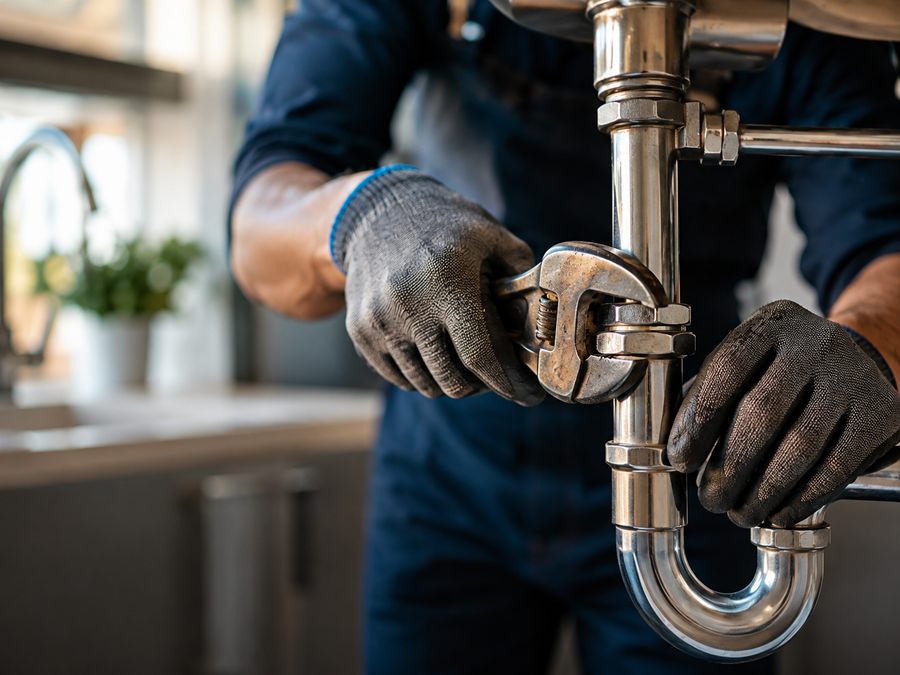
Website Design for Plumbers
Visitors with a leak decide in seconds. The site must load fast and put the phone number in front of them at once.
What we focus on:
- Sticky call button on every page
- Emergency messaging
- Service area lists

Website Design for HVAC Companies
Demand swings with the weather. The site must make repair, maintenance, and replacement easy to request and easy to update by season.
What we focus on:
- Clear paths for each request type
- Seasonal offers that are easy to change
- Maintenance plan pages

Website Design for Solar Installers
Buyers research for weeks. The site must teach, build trust, and make it simple to ask for a quote when ready.
What we focus on:
- Cost, financing, and process pages
- Project photos and licensing
- A short quote form that captures key details
Buyer’s Guide
How Do You Choose the Right Website Design Company for Your Trade?
A good website is more than a good look. Use these eight steps to judge any web designer, and hold every one to them, including us.
Start With the Goal
Decide what the site must do, such as more emergency calls or more quotes. A designer who starts with your goal, not with templates, will build something that works.
01
Look at Their Trade Work
Ask to see sites they built for plumbing, HVAC, or solar companies, and check how those sites load and read on a phone. Trade experience shows.
02
Check Speed and Mobile Design
Test their examples on your phone. If they load slowly or feel cramped, yours will too. Speed and mobile design directly affect calls and rankings.
03
Ask About SEO Built In
Titles, structure, and schema are far easier to build in than to add later. Ask how they plan pages for each service and city.
04
Confirm You Own Everything
Your domain, hosting account, and site files should be in your name. Ask what happens if you leave. Our standard is that your assets stay yours.
05
Understand What Happens After Launch
Ask about updates, fixes, and support. A site that no one maintains falls behind quickly. Clear after-launch terms protect your investment.
06
Ask About Redirects
A redesign can wipe out your rankings if old pages are not redirected. Ask how they protect existing traffic and links.
07
Review Pricing and Contracts
Look for a clear scope and fair terms. Our plans are month-to-month with no setup fees, and a new website build is part of the Standard plan.
08
Why Mantras Marketing
Why Choose Mantras Marketing for Website Design
Built to Convert, Not Just Look Good
Every design decision is evaluated against one question: does this help book a job?
SEO and Design Work Together
Your site is built with technical SEO best practices from the start.
Careful Migration Process
We protect your existing rankings during the switch with proper redirects.
Ongoing Support Available
We stay available for updates after launch.
Tools & Platforms
Tools and Platforms We Use
We measure the site with free tools you can also use, so speed, tracking, and search readiness can be checked by anyone.
Google Analytics 4
Google Search Console
Google PageSpeed Insights
Google Rich Results Test
Looker Studio
Pricing
How Much Does Website Design Cost for Plumbing, HVAC & Solar Companies?
A new website build is part of our Standard Full-Package plan at $1,499 per month, and it continues in the Premium plan at $2,199. Every plan is month-to-month with no setup fees. If your current site only needs changes, website changes are part of every plan, including SEO Standalone at $749.
SEO Standalone
$749/mo
- Local SEO and Google Business Profile
- Technical and on-page SEO
- Link building and content
- Blog posts and monthly reporting
- Lead and ranking analysis
Most Popular
Standard Full-Package
$1,499/mo
- Everything in SEO Standalone
- New website build
- Landing pages for ads
- Google Ads and Local Service Ads
- Retargeting and lead follow-up
Premium Full-Package
$2,199/mo
- Everything in Standard
- AI SEO for AI search results
- Google Map SEO
- Social media marketing
- Priority execution and strategy sessions
Three Things That Change the Price
- Number of pages: more services and cities mean more pages to plan and write
- Content and photos: a site with your own real photos and content takes more work than a basic build
- Existing site: a redesign must protect current rankings and links
Do I need a new website to rank better?
Not always. Many sites can be improved with faster hosting, compressed images, and better pages. A rebuild makes sense when the site is slow, outdated, or cannot support new pages.
How long does a website project take?
It depends on the number of pages and how quickly content is approved. A typical build takes several weeks from planning to launch, and we agree a timeline at the start.
Is a website a one-time project or ongoing?
The build is a project, but a good site keeps improving. We review how visitors behave and update pages, so the site keeps producing calls.
What happens after month four?
We review results with you and agree on next steps. Plans stay month-to-month, and your site and accounts remain yours.
Cost
How Much Does a Website Cost for a Home Service Company?
The cost of a website depends on how it is built and what it must do. A simple template site costs far less than a custom site with many service pages, location pages, forms, call tracking, and integrations. The price you pay for the build is only part of the cost. Hosting, updates, security, and content are ongoing.
What drives website design pricing
Page count, custom design vs a template, content writing, photography, integrations with scheduling software, and how much SEO work is built in.
Build cost vs monthly cost
Some agencies charge one build fee and then a monthly fee for hosting and updates. Others sell a design subscription. Ask what you own if you leave.
Every website we build for a plumbing, HVAC, or solar company is fast, mobile-first, and structured for search from the start.
- Check whether hosting, security, and updates are included.
- Confirm that you own the domain and the content.
- Ask how many service and location pages are included.
- Ask how the site will be measured after launch.
Learn about the site checklist in our HVAC website checklist, or ask for a quote through the contact page.
FAQ
Frequently Asked Questions
What does website design mean for a plumbing, HVAC, or solar company?
It means building a website whose main job is to turn visitors into calls and quote requests. That includes a fast mobile layout, a visible phone number, clear service pages, and proof of trust, all structured so search engines can read them.
What does a web design agency actually do for a contractor?
It plans your pages, writes clear content, designs for phones first, and builds a fast site. It also sets up search basics, tracking, and forms, tests everything, launches with redirects, and improves the site afterwards based on how visitors behave.
Why does website design matter for contractors?
Your website is usually the first real impression, and it decides who gets the call. A slow or confusing site loses visitors you paid to attract through SEO and ads. A clear, fast site makes every other marketing dollar work harder.
How does a better website improve my visibility?
A well-built site is faster, easier for search engines to read, and organized around the services and cities you serve. Titles, headings, and structured data help you rank, and better speed keeps visitors long enough to call.
What are the core parts of a good contractor website?
The core parts are a mobile-first design, a visible phone number and click-to-call button, clear service and city pages, trust elements, fast loading, and working forms. Tracking ties it together, so you know which pages produce calls.
What is the goal of a website project?
The goal is more calls and quote requests from the traffic you get, not just a nicer look. We measure success by calls, form submissions, and how visitors move through the site, then improve the pages that lose people.
What can I do to improve my website today?
Put your phone number at the top of every page and make it tappable on a phone. Compress large images and remove plugins you do not use. Check that your contact form reaches you. These small changes often improve calls quickly.
Can one website serve several cities?
Yes, if each city has its own page with real local detail. We plan a structure that lets you add cities and services over time, so the site grows without becoming confusing. Copying one page with a new city name does not work well.
What should I ask before hiring a web designer?
Ask to see trade websites they built, how those load on a phone, and how SEO is built in. Confirm you will own your domain and files, what support follows launch, and how old pages will be redirected so you keep your rankings.
What website practices should I avoid?
Avoid heavy sliders, huge uncompressed images, hiding the phone number, and launching without redirects. Also avoid templates that look like every competitor, and forms that are never tested. Each of these quietly costs you calls or rankings.